Pipeline drone programs need segment-anchored records, not one-off jobs
Aerosyne supports linear ROW patrols, leak detection sweeps, encroachment monitoring, and the BVLOS-ready discipline that pipeline programs depend on as they mature.
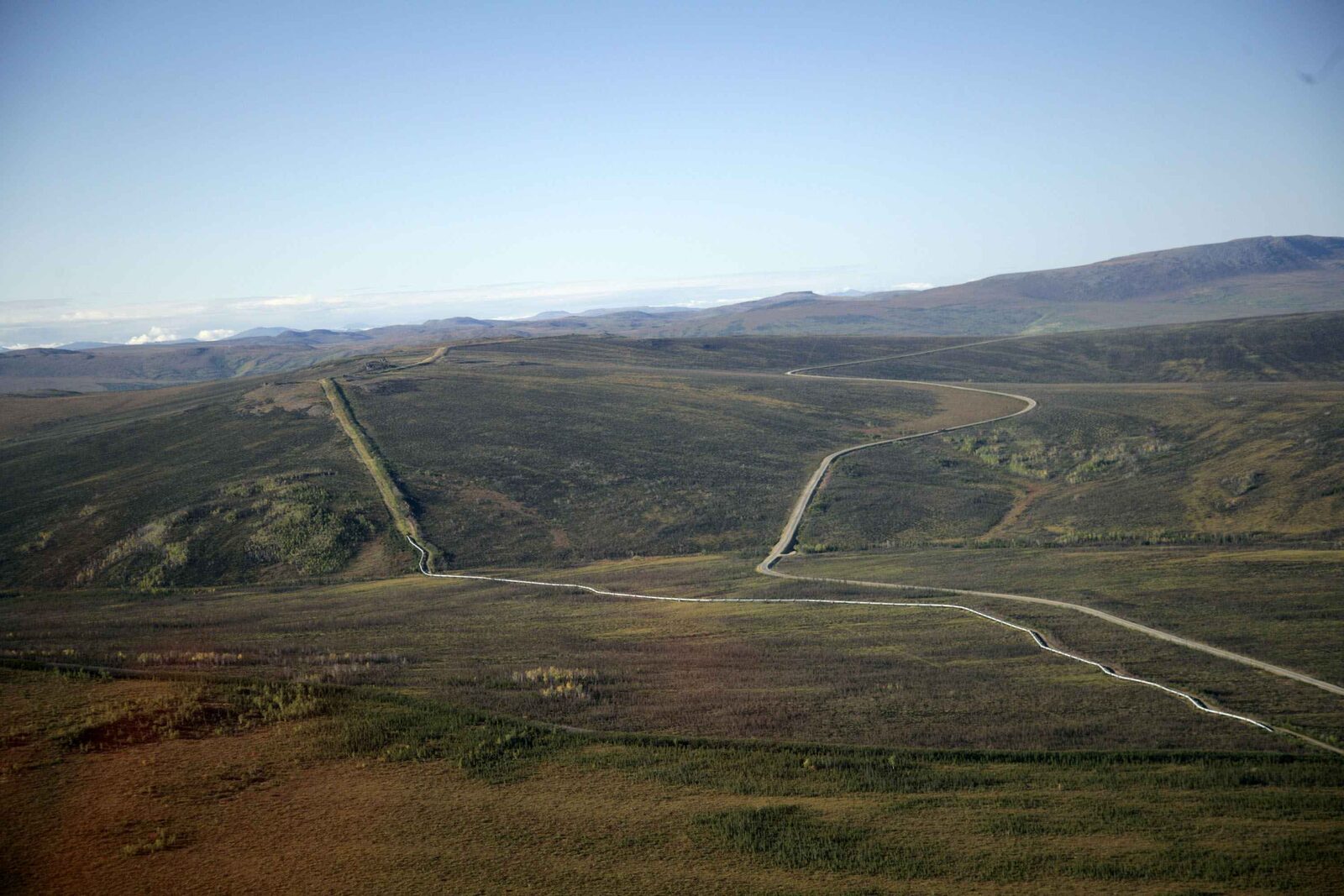
The record system has to match how pipelines actually operate
Tooling built for one-off site visits breaks the moment a programme spans hundreds of kilometres of right-of-way and rotating crews.
Linear ROW work, not one-off jobs
Right-of-way patrols are recurring, segmented, and crew-rotated. Aerosyne treats each segment as a long-lived record so site history and access notes carry forward, instead of resetting with every visit.
Encroachment and integrity findings stay attached
When a sweep flags a third-party crossing, vegetation issue, or surface anomaly, the evidence stays linked to the segment, the pilot, and the mission — not buried in a one-off folder.
BVLOS-ready record discipline from day one
Pipeline programs are one of the strongest BVLOS use cases. Aerosyne keeps pilots, aircraft, observers, and operating areas under one queryable record that can support an authorisation case as scope grows.
Common pipeline drone programs Aerosyne supports
From routine patrols to integrity work and incident response, the same operational record carries through every program.
Leak detection sweeps
Coordinate methane and OGI sweeps with the same crew and aircraft records used for routine patrols, so reporting stays consistent and traceable.
Class location and population surveys
Recurring class location work benefits from segment-anchored history rather than rebuilding context from raw imagery every cycle.
Storm and incident response
When something happens, the pre-incident record of the segment is already there — pilots, aircraft, and the last patrol are one query away.
Pipeline inspection drone software questions
Practical answers for teams managing linear right-of-way patrols, leak detection sweeps, encroachment findings, and BVLOS-ready records.
Why do pipeline drone programs need segment-based records?
Pipeline work is linear, recurring, and often crew-rotated. Segment-based records preserve access notes, prior findings, mission history, and deliverable context across every patrol.
How does Aerosyne support BVLOS-ready pipeline workflows?
Aerosyne connects pilots, aircraft, observers, operating areas, site history, mission evidence, and client reporting so pipeline teams can build disciplined records as program scope matures.
Can pipeline findings stay attached to the right corridor or right-of-way?
Yes. Encroachments, leak detection notes, vegetation issues, and surface anomalies can be associated with the mission and operating segment instead of disappearing into disconnected folders.
Adjacent operating environments
Pipeline programs frequently overlap with oil & gas facility work and broader infrastructure inspection.
Inspection
Infrastructure inspection operations
Coordinate crews, compliance, client approvals, and recurring site reporting from one operating system.
Oil & Gas
Oil & gas drone operations
Run upstream, midstream, and downstream drone work — facility, flare stack, and tank inspections — with the audit trail energy clients require.
Utilities
Utilities & power line inspections
Transmission and distribution surveys, substation work, vegetation management, and storm response coordinated against utility-grade compliance expectations.