Drone operations software built for oil & gas inspection programs
Aerosyne gives energy-focused drone teams one operating system for facility inspections, flare stacks, tank farms, emissions surveys, and the audit trail required by upstream, midstream, and downstream clients.
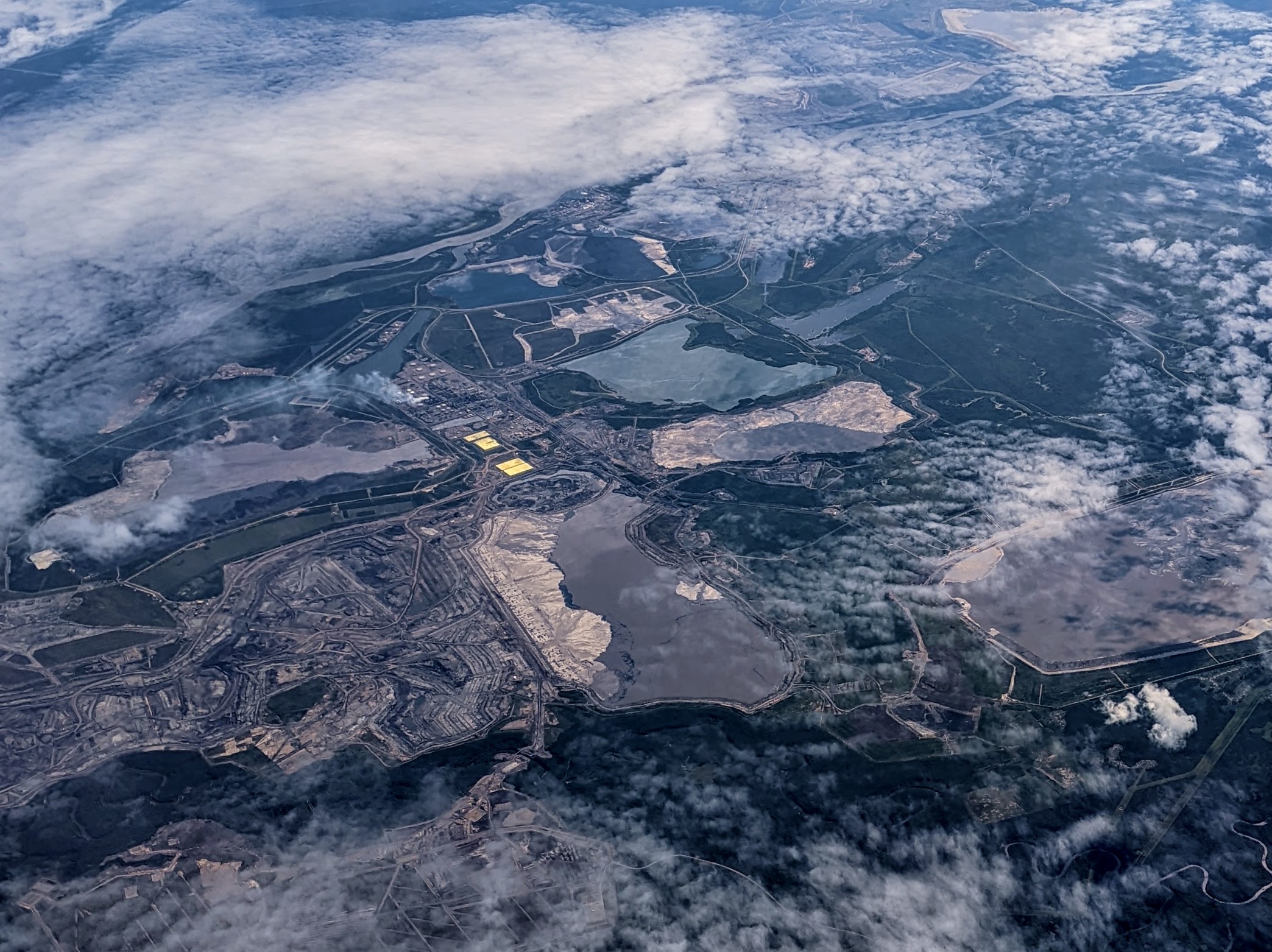
Oil & gas inspection work is judged on the paper trail, not the pixels
Energy clients evaluate drone vendors on documentation, traceability, and operational discipline. The flying is the easy part.
Facility, flare stack, and tank inspections under one record
Keep upstream pads, refineries, tank batteries, and flare stack visits tied to the assets, crews, and aircraft that produced each inspection — not scattered across email and shared drives.
Audit trails energy clients actually accept
Operators, EPCs, and asset owners expect documented compliance, qualified pilots, and traceable evidence. Aerosyne keeps that trail attached to every job by default.
Repeat work scheduled against site context
Recurring monthly, quarterly, or turnaround inspections inherit prior site notes, access requirements, hot-work coordination, and safety briefings instead of being re-built every cycle.
Common oil & gas drone programs Aerosyne supports
The same record system supports facility-level inspections, recurring emissions surveys, and elevated asset work without each program living in its own spreadsheet.
Methane and emissions surveys
Coordinate OGI and methane survey programs with the operational record of who flew, what aircraft, and which payload — so reporting is defensible months later.
Tank farm and storage inspections
Run external shell, roof, and containment inspections as repeatable jobs with deliverables clients can re-open without chasing the original pilot.
Flare stack and elevated asset work
High-risk asset inspections need clear pilot qualifications, aircraft suitability, and weather context on record — not stitched together after the fact.
Oil and gas drone software questions
Practical answers for energy teams comparing drone operations software, inspection evidence workflows, and audit-ready program records.
What should oil and gas drone operations software track?
Energy-focused drone programs need pilot and aircraft readiness, site access, safety context, inspection findings, emissions or asset survey outputs, client deliverables, and audit evidence tied to each job.
How does Aerosyne help energy clients trust drone inspection records?
Aerosyne keeps the operational context behind each deliverable — crew, aircraft, mission, site, timing, and handoff status — connected so reviews do not depend on loose files or memory.
Can oil and gas workflows connect with pipeline inspection programs?
Yes. Facility inspections, tank farms, flare stacks, emissions surveys, and pipeline ROW work can all share the same fleet, compliance, client, and deliverable record system.
Adjacent operating environments
Energy operators frequently overlap with pipeline, utility, and broader inspection work.
Inspection
Infrastructure inspection operations
Coordinate crews, compliance, client approvals, and recurring site reporting from one operating system.
Pipeline Inspection
Pipeline inspection programs
Long-linear ROW patrols, leak detection sweeps, and encroachment monitoring with site context that survives crew turnover.
Utilities
Utilities & power line inspections
Transmission and distribution surveys, substation work, vegetation management, and storm response coordinated against utility-grade compliance expectations.