Drone software for disaster response and recovery operations
Aerosyne treats disaster work as a coordinated program — rapid damage assessment, multi-agency reporting, and recurring recovery flights kept under one operational record from mobilization through closeout.
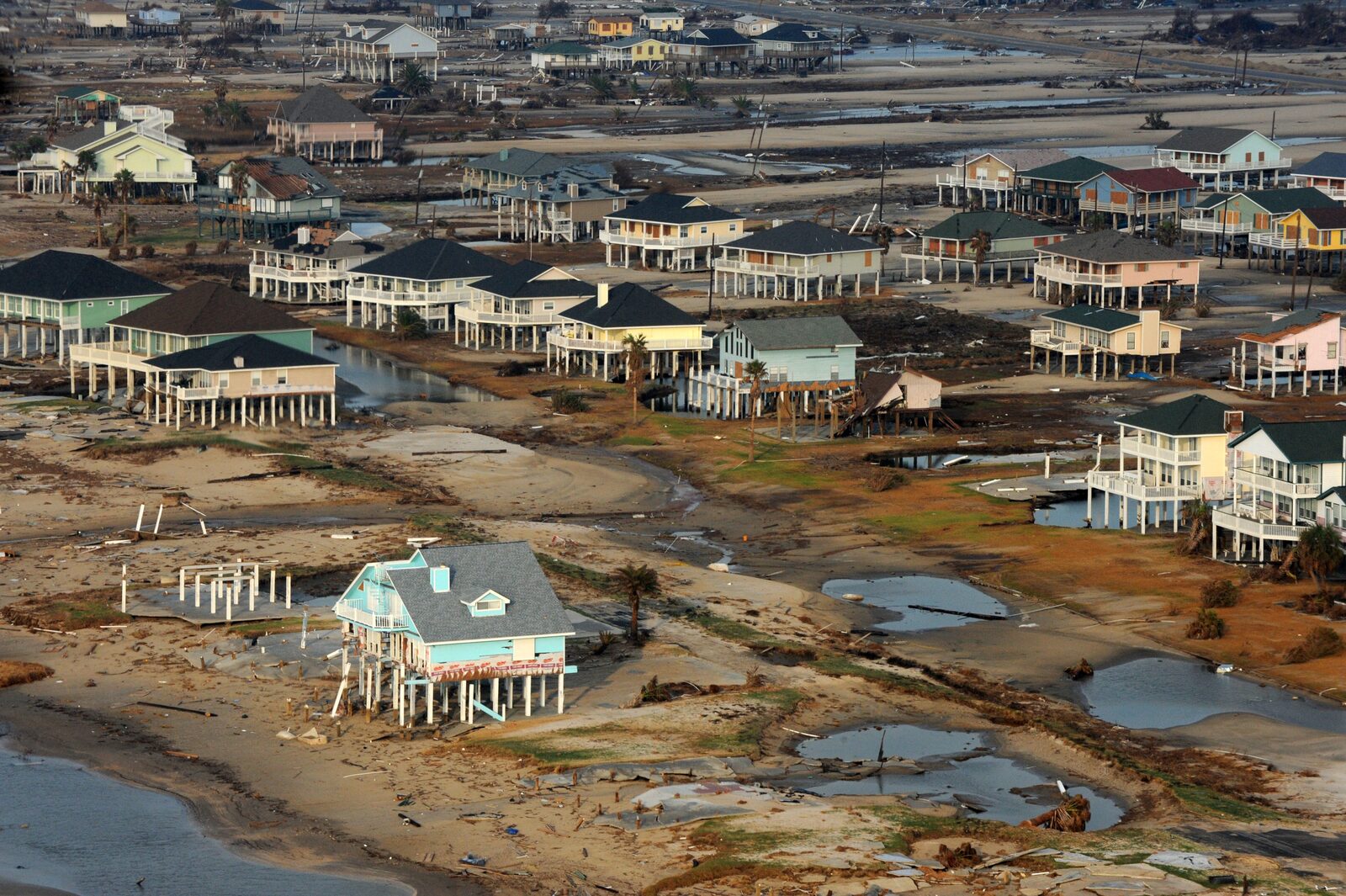
Disaster work runs on coordination, not improvisation
A response that can not be reconstructed afterwards is a response that will not be reimbursed, audited, or repeated cleanly.
Mobilize crews and aircraft on day zero
When an event hits, the platform already knows your pilots, certifications, aircraft serviceability, and prior deployment history. Standing up a response is reading from a record — not rebuilding one.
Damage assessment evidence agencies will accept
Imagery is bound to the pilot, aircraft, time of flight, and site at capture. Reports for FEMA, EOCs, public works, and insurers come from one defensible source instead of disconnected camera rolls.
Recovery flights as a recurring program
Recovery is not one flight — it is weeks of repeat coverage as cleanup, repair, and rebuild progress. Aerosyne treats those flights as a scheduled program tied to the same incident record.
Disaster recovery programs Aerosyne supports
From the first overflight through the final recovery report, every deployment carries the same operational record.
Rapid damage assessment (RDA)
Initial overflights for hurricanes, floods, wildfires, tornadoes, and earthquakes — coordinated against pilot availability and TFR-aware airspace constraints.
Multi-agency situational awareness
Branded, time-stamped deliverables for emergency operations centers, county and state agencies, utilities, and insurance carriers — all built on the same record.
Recovery & rebuild monitoring
Recurring weekly or monthly flights to document debris removal, infrastructure repair, and reconstruction progress through to incident closeout.
Adjacent operating environments
Disaster response work shares workflows with insurance documentation, utilities storm response, and security event coverage.
Inspection
Infrastructure inspection operations
Coordinate crews, compliance, client approvals, and recurring site reporting from one operating system.
Oil & Gas
Oil & gas drone operations
Run upstream, midstream, and downstream drone work — facility, flare stack, and tank inspections — with the audit trail energy clients require.
Pipeline Inspection
Pipeline inspection programs
Long-linear ROW patrols, leak detection sweeps, and encroachment monitoring with site context that survives crew turnover.